


How does a soft upholstered queen bed achieve both a soft feel and effective lumbar support?
Release Time : 2025-10-27
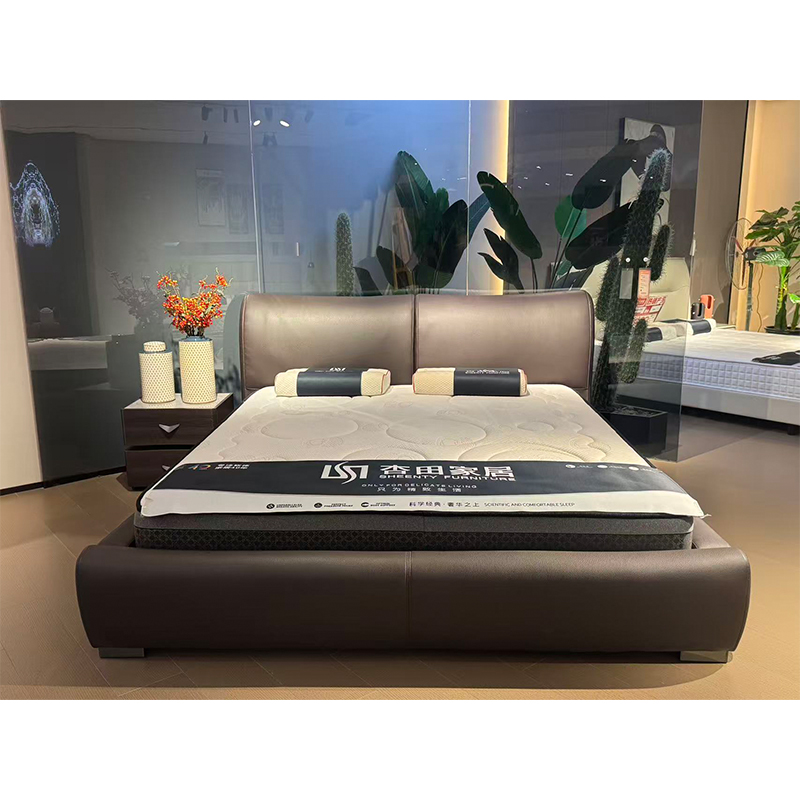
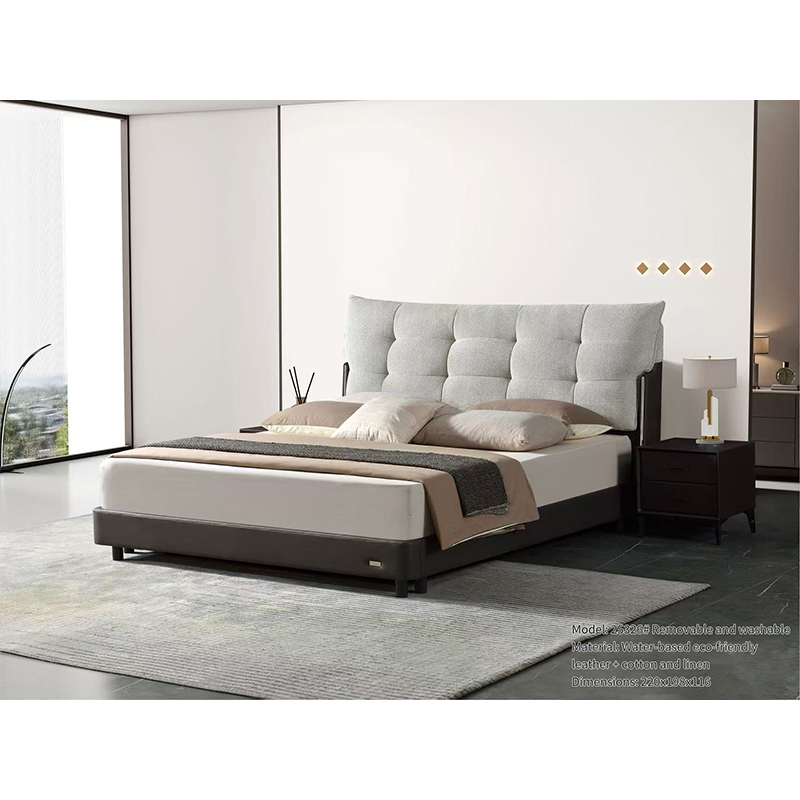
In modern living, a good bed means far more than just a place to rest; it embodies people's deep desire for comfort, relaxation, and healthy sleep. Soft upholstered queen beds, with their fluffy, soft appearance and skin-friendly feel, have become a top choice in many bedrooms. However, true comfort isn't simply about "softness." An overly soft mattress can cause the body to sag, imbalance the spine, and lead to back pain. Therefore, striking a balance between softness and effective lumbar support is the core challenge in soft upholstered queen bed design. Neither sinking like a sofa nor being rigid like a hardboard, it must strike the perfect balance between "soft yet firm, soft yet firm."
The key to achieving this balance lies in the scientific design of its layered structure. The surface of a soft upholstered queen bed is typically constructed with high-resilience foam, memory foam, or down. These materials offer excellent conformability, adapting to the body's curves and releasing pressure upon contact, creating a cloud-like, soft, and comfortable feel. When you lie down, pressure-concentrated areas like the shoulders and hips are gently cradled, reducing localized pressure and allowing for quick relaxation. This supple surface is key to creating a comfortable first impression.
The real support comes from the internal structure. Beneath the soft surface, there's typically high-density support foam or a separately compartmented elastic base, forming the "skeleton" of the bed. These materials offer enhanced compression resistance, providing a stabilizing counterforce after the body sinks to a certain depth, preventing excessive lumbar sag. Specifically for the lumbar region, some designs incorporate localized thickening or fine-tuning of the firmness to provide more precise support, helping the spine maintain its natural curvature. This "soft on top, hard on the bottom" structure maintains a soft tactile experience while ensuring the body maintains its correct posture even during extended periods of reclining.
The bed frame itself also contributes to the support system. Many soft upholstered queen beds feature a sturdy solid wood or metal frame with a high-strength ribbed structure to create a stable load-bearing platform. The curvature and elasticity of the ribs are carefully calculated to flex appropriately with the body's weight, working in conjunction with the mattress to provide dynamic support. When turning over or changing positions, the ribs and mattress work together to evenly distribute pressure and prevent localized collapse. This holistic system ensures that support is no longer the sole responsibility of a single material, but rather encompasses comprehensive protection from the inside out.
The choice of fabric also influences the perception of both softness and support. Skin-friendly, breathable knitted fabrics or natural cotton and linen not only provide a delicate touch but also slightly expand with body movements, enhancing the fit. An internal anti-slip layer ensures that the filling remains in place, maintaining structural stability even after long-term use and preventing support failure due to collapse.
In actual experience, this balanced design allows users to experience the comfort of soft embrace without experiencing back stiffness or pain when rising. Whether sleeping on their back, side, or taking a short nap, the body is comfortably positioned naturally. Rather than forcing the bed to adapt, the bed adapts to them, truly embodying the "comfort tailored to the individual" sleep philosophy.
Ultimately, the comfort of the soft upholstered queen bed is a kind of intelligent softness. It knows when to yield and when to support, striking a delicate balance between gentleness and firmness. It doesn't just invite you to "sink in," it invites you to "be supported." In this bed, the body can fully relax, and the mind can also be at peace. Layers of carefully arranged materials weave a world of both softness and security—a haven to return to after a tiring day.
The key to achieving this balance lies in the scientific design of its layered structure. The surface of a soft upholstered queen bed is typically constructed with high-resilience foam, memory foam, or down. These materials offer excellent conformability, adapting to the body's curves and releasing pressure upon contact, creating a cloud-like, soft, and comfortable feel. When you lie down, pressure-concentrated areas like the shoulders and hips are gently cradled, reducing localized pressure and allowing for quick relaxation. This supple surface is key to creating a comfortable first impression.
The real support comes from the internal structure. Beneath the soft surface, there's typically high-density support foam or a separately compartmented elastic base, forming the "skeleton" of the bed. These materials offer enhanced compression resistance, providing a stabilizing counterforce after the body sinks to a certain depth, preventing excessive lumbar sag. Specifically for the lumbar region, some designs incorporate localized thickening or fine-tuning of the firmness to provide more precise support, helping the spine maintain its natural curvature. This "soft on top, hard on the bottom" structure maintains a soft tactile experience while ensuring the body maintains its correct posture even during extended periods of reclining.
The bed frame itself also contributes to the support system. Many soft upholstered queen beds feature a sturdy solid wood or metal frame with a high-strength ribbed structure to create a stable load-bearing platform. The curvature and elasticity of the ribs are carefully calculated to flex appropriately with the body's weight, working in conjunction with the mattress to provide dynamic support. When turning over or changing positions, the ribs and mattress work together to evenly distribute pressure and prevent localized collapse. This holistic system ensures that support is no longer the sole responsibility of a single material, but rather encompasses comprehensive protection from the inside out.
The choice of fabric also influences the perception of both softness and support. Skin-friendly, breathable knitted fabrics or natural cotton and linen not only provide a delicate touch but also slightly expand with body movements, enhancing the fit. An internal anti-slip layer ensures that the filling remains in place, maintaining structural stability even after long-term use and preventing support failure due to collapse.
In actual experience, this balanced design allows users to experience the comfort of soft embrace without experiencing back stiffness or pain when rising. Whether sleeping on their back, side, or taking a short nap, the body is comfortably positioned naturally. Rather than forcing the bed to adapt, the bed adapts to them, truly embodying the "comfort tailored to the individual" sleep philosophy.
Ultimately, the comfort of the soft upholstered queen bed is a kind of intelligent softness. It knows when to yield and when to support, striking a delicate balance between gentleness and firmness. It doesn't just invite you to "sink in," it invites you to "be supported." In this bed, the body can fully relax, and the mind can also be at peace. Layers of carefully arranged materials weave a world of both softness and security—a haven to return to after a tiring day.