


How do you style a minimalist sofa to prevent the room from feeling too cold?
Release Time : 2026-07-23
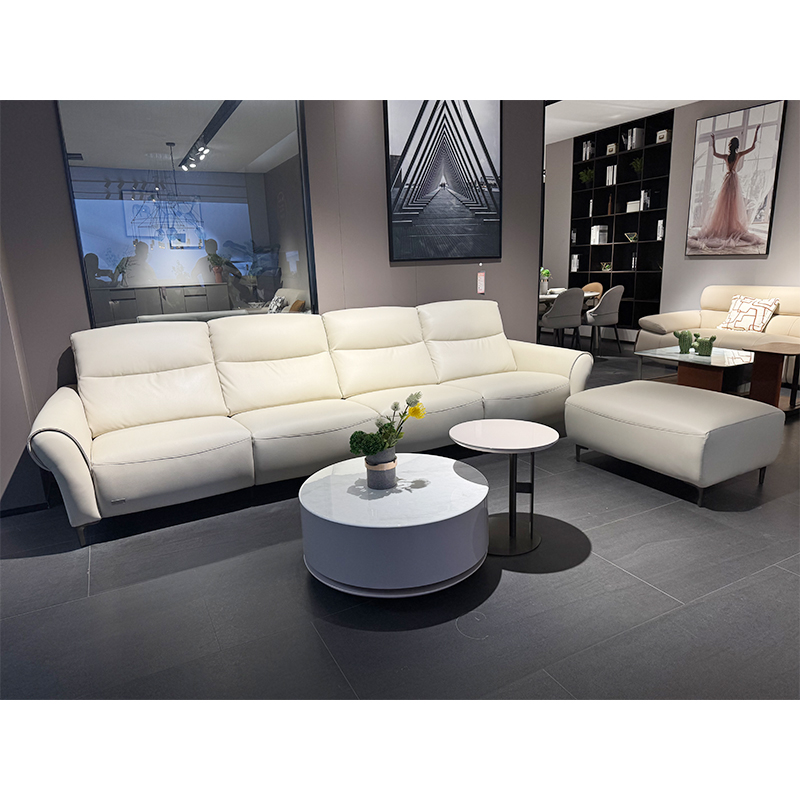
Styling a minimalist sofa to prevent a room from feeling cold requires a delicate balance between maintaining clean lines and introducing elements of warmth. While minimalist sofas are celebrated for their sleek silhouettes and uncluttered aesthetic, their streamlined appearance can sometimes lean towards sterility. To create a space that feels both sophisticated and inviting, one must intentionally layer textures, incorporate organic elements, and utilize strategic lighting.
The most effective method for adding warmth is through the strategic use of textiles and varied textures. A minimalist sofa in a neutral tone like white or light grey can be instantly softened by introducing tactile contrasts. Layering different fabric types, such as pairing a smooth linen sofa with chunky knit throw blankets, velvet cushions, or boucle accents, creates visual and physical coziness. The key is to avoid matching sets; instead, opt for an assortment of materials that invite touch and add depth to the seating area. A textured rug placed beneath the sofa can also ground the space, providing a soft foundation that contrasts beautifully with the sofa’s structured lines.
Incorporating natural elements is another vital strategy for infusing life into a minimalist living area. Wood and greenery act as natural antidotes to the potential coldness of modern furniture. Introducing wooden side tables, a solid oak coffee table, or floating shelves can bring organic warmth that synthetic materials cannot replicate. Furthermore, integrating indoor plants adds a dynamic, living element to the room. The vibrant greens and organic shapes of foliage break up the rigid geometry of minimalist architecture and furniture, making the environment feel fresh, breathable, and deeply connected to nature.
Lighting plays a crucial role in dictating the emotional temperature of a room. Harsh, overhead lighting can easily make a minimalist space feel clinical. To counteract this, it is essential to implement layered, ambient lighting. Relying on floor lamps with warm-toned bulbs, table lamps with fabric shades, or hidden LED strips can cast a soft, golden glow that enhances the textures in the room. Placing a sculptural floor lamp beside the minimalist sofa not only serves a functional purpose but also acts as a warm visual anchor, creating an intimate atmosphere perfect for relaxation.
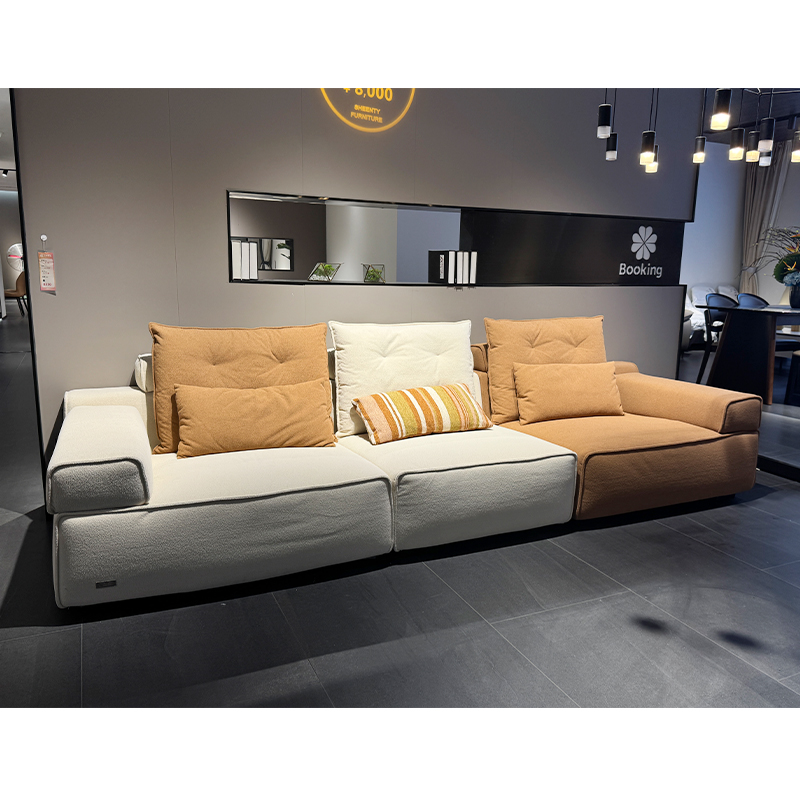
Finally, introducing subtle color and personal artifacts prevents the room from feeling like a sterile showroom. While minimalist design favors neutral palettes, incorporating muted, earthy tones like terracotta, sage green, or warm mustard through accent pillows or a single piece of abstract art can add character without creating visual clutter. Additionally, allowing personal items, such as a curated selection of books, a cherished ceramic vase, or framed photographs, to take center stage on a minimalist coffee table adds a narrative to the space. These personal touches serve as emotional anchors, transforming a beautifully designed room into a true sanctuary that feels authentically lived-in and warmly welcoming.
The most effective method for adding warmth is through the strategic use of textiles and varied textures. A minimalist sofa in a neutral tone like white or light grey can be instantly softened by introducing tactile contrasts. Layering different fabric types, such as pairing a smooth linen sofa with chunky knit throw blankets, velvet cushions, or boucle accents, creates visual and physical coziness. The key is to avoid matching sets; instead, opt for an assortment of materials that invite touch and add depth to the seating area. A textured rug placed beneath the sofa can also ground the space, providing a soft foundation that contrasts beautifully with the sofa’s structured lines.
Incorporating natural elements is another vital strategy for infusing life into a minimalist living area. Wood and greenery act as natural antidotes to the potential coldness of modern furniture. Introducing wooden side tables, a solid oak coffee table, or floating shelves can bring organic warmth that synthetic materials cannot replicate. Furthermore, integrating indoor plants adds a dynamic, living element to the room. The vibrant greens and organic shapes of foliage break up the rigid geometry of minimalist architecture and furniture, making the environment feel fresh, breathable, and deeply connected to nature.
Lighting plays a crucial role in dictating the emotional temperature of a room. Harsh, overhead lighting can easily make a minimalist space feel clinical. To counteract this, it is essential to implement layered, ambient lighting. Relying on floor lamps with warm-toned bulbs, table lamps with fabric shades, or hidden LED strips can cast a soft, golden glow that enhances the textures in the room. Placing a sculptural floor lamp beside the minimalist sofa not only serves a functional purpose but also acts as a warm visual anchor, creating an intimate atmosphere perfect for relaxation.
Finally, introducing subtle color and personal artifacts prevents the room from feeling like a sterile showroom. While minimalist design favors neutral palettes, incorporating muted, earthy tones like terracotta, sage green, or warm mustard through accent pillows or a single piece of abstract art can add character without creating visual clutter. Additionally, allowing personal items, such as a curated selection of books, a cherished ceramic vase, or framed photographs, to take center stage on a minimalist coffee table adds a narrative to the space. These personal touches serve as emotional anchors, transforming a beautifully designed room into a true sanctuary that feels authentically lived-in and warmly welcoming.