


How to prevent the fabric from fading when cleaning and maintaining a flannel foldable sofa?
Release Time : 2026-02-26
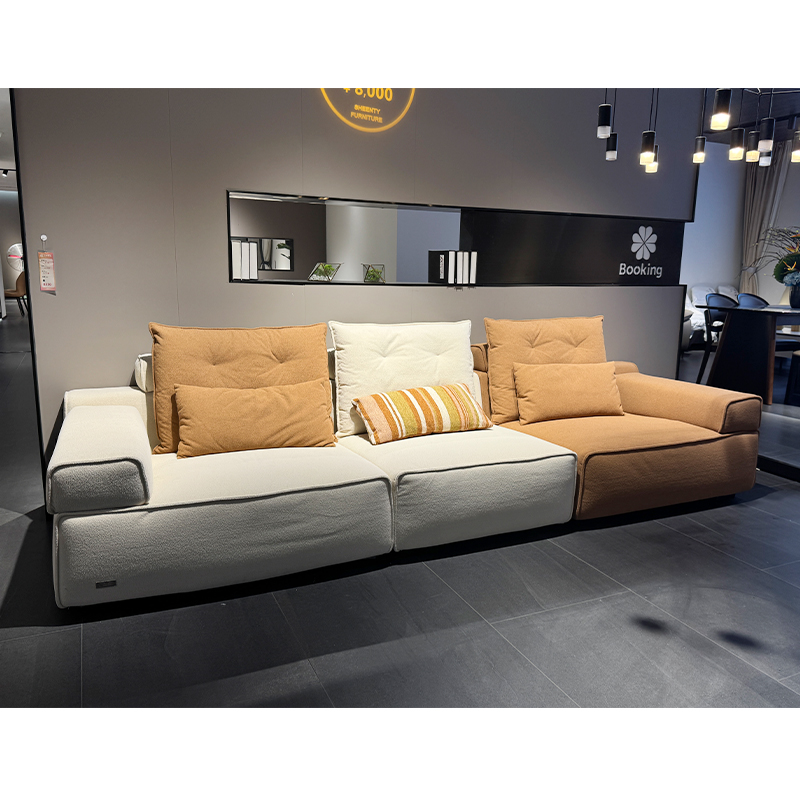
Flannel foldable sofas are a popular choice for home furnishings due to their soft, comfortable feel and warm visual appeal. However, improper cleaning and maintenance of flannel fabric can easily lead to fading, affecting its appearance and lifespan. To prevent fading, a comprehensive approach is needed, considering cleaning methods, detergent selection, drying methods, and daily care to ensure your flannel foldable sofa always looks new.
When cleaning a flannel foldable sofa, avoid using strong alkaline or acidic detergents. These detergents can damage the dye molecules in the fabric, causing color fading or lightening. It is recommended to choose a neutral detergent with a pH close to 7, which is less damaging to the dyes. Neutral detergents not only effectively remove stains but also maintain the fabric's color stability. Before cleaning, test a small, inconspicuous area to check for fading before proceeding with a full cleaning.
The choice of cleaning method directly affects the risk of fading in flannel fabric. Hand washing is a gentler method, removing stains through gentle rubbing and avoiding mechanical friction that could damage the fabric. If using a washing machine, select a gentle cycle and place the sofa cover in a laundry bag to minimize direct contact between the fabric and the machine's interior. Furthermore, avoid pulling or wringing the fabric during cleaning to prevent fiber breakage and dye loss. For localized stains, spot cleaning can be used; gently wipe with a damp cloth dampened with a small amount of neutral detergent, avoiding soaking large areas of the fabric.
Water temperature control is also crucial to preventing flannel from fading. High temperatures accelerate dye decomposition and loss, especially in dark or brightly colored fabrics. When cleaning, the water temperature should be kept below 30℃, ideally cold or lukewarm water. High temperatures not only cause fading but may also cause the fabric to shrink or deform, affecting the overall appearance of the sofa. After cleaning, rinse thoroughly with clean water to ensure all detergent residue is removed, preventing residue from forming stains or accelerating fading.
The method of drying is essential for maintaining the color of flannel fabric. Ultraviolet rays in sunlight can damage dye molecules, causing fabrics to fade or yellow. Therefore, clean flannel foldable sofa covers should not be exposed to direct sunlight; instead, air dry them in a well-ventilated, shady place. If using a dryer, select a low temperature setting and shorten the drying time to prevent high temperatures from damaging the fabric. After drying, gently pat the fabric to restore its fluffiness and prevent it from hardening or clumping due to improper drying.
In daily maintenance, minimize contact between the flannel foldable sofa and sharp objects or rough surfaces to avoid scratches or pilling. Regularly vacuum the sofa surface to prevent dust from seeping into the fibers and becoming difficult to clean. If the sofa cover is removable, it is recommended to rotate it periodically to distribute wear evenly and extend the fabric's lifespan. For non-removable sofa covers, use sofa towels or cushions for protection to reduce direct contact with stains.
Furthermore, flannel fabric is highly absorbent, and damp environments can easily lead to mildew or unpleasant odors. Therefore, keep the room well-ventilated and dry, and avoid keeping the sofa in a damp state for extended periods. If liquid is accidentally spilled, immediately blot it dry with a cloth to prevent it from seeping into the fabric. For stubborn stains, seek professional cleaning services promptly to avoid fading or fabric damage caused by attempting to clean them yourself.